


Protocols vary but cold plunging (ice bath) commonly involves immersing the body in water as cold as -1 to 4 degrees celsius for 2-3 minutes. Cold therapy (CT) can also include cold showers, cryotherapy, open water swimming and even short walks in cold weather. The goal of cold therapy is to boost energy expenditure and improve metabolic health. Energy is required to produce heat. Mammals are known to produce heat through either skeletal muscle shivering or “non-shivering thermogenesis”. The latter relies on a special type of fat called brown fat, or brown adipose tissue (BAT).
Why take the plunge?
The vast majority of fat in the human body is known as white adipose tissue (WAT). Unlike WAT, brown fat contains a high concentration of iron-rich mitochondria, which, in addition to giving the tissue a brown colour, make BAT far more metabolically active than WAT.
Cold exposure activates brown adipose tissue. The literature explores whether this increase in BAT increases energy expenditure and therefore could help with obesity and insulin sensitivity/metabolic health. Increasing BAT mass and activity may represent a promising new therapeutic target for the treatment of both obesity and insulin resistance.
There is also evidence that ice baths could help reduce Delayed Onset Muscle Soreness (DOMS) after exercise. The greatest benefits appear to occur when treated with CT 24 to 72 hours post exercise. Some studies have shown that cryotherapy decreases inflammation however not all results agree and more data is needed.
Is cold therapy safe?
Whilst generally considered safe to cold plunge in a controlled environment, it is important to warm the body immediately after cold water plunging to avoid a phenomenon known as afterdrop.
Under cold conditions, your body tries to keep the core temperature as warm as possible, at the expense of the peripheral temperature. At some point the colder blood in the periphery is dumped into the warmer core blood. Afterdrop occurs when the core temperature drops from something safe like 35-36 degrees celsius to something unsafe like 33 degrees celsius, which could technically result in a ventricular arrhythmia or abnormal heart rhythm.
Dr Nikki’s anecdotal experience: I do regular cold plunges at home and feel amazing afterwards (but I admit it could be the placebo effect)… Are you keen to take the plunge?
Written by Dr Nikki Fisicaro
References:
- Effect of Acute Cold Exposure on Energy Metabolism and Activity of Brown Adipose Tissue in Humans: A Systematic Review and Meta-Analysis (Huo et al., 2022)
- Role of human brown fat in obesity, metabolism and cardiovascular disease: Strategies to turn up the heat (Ruiz et al., 2018)
- Human Brown Adipose Tissue: What we have learned so far (Betz & Enerbäck, 2015)
- Temperature-Acclimated Brown Adipose Tissue Modulates Insulin Sensitivity in Humans (Lee et al., 2014)
- Brown Adipose Tissue Improves Whole-Body Glucose Homeostasis and Insulin Sensitivity in Humans (Chondronikola et al., 2014)
- Effects of recovery method after exercise on performance, immune changes, and psychological outcomes (Stacey et al., 2010)
- The effect of recovery strategies on physical performance and cumulative fatigue in competitive basketball (Montgomery et al., 2008)
- Cold-water immersion (cryotherapy) for preventing and treating muscle soreness after exercise (Bleakley et al., 2012)
- Cold water immersion and recovery from strenuous exercise: a meta-analysis (Leeder et al., 2011)
- The efficacy of cryotherapy on recovery following exercise-induced muscle damage (Burgess and Lambert, 2010)
- Time-course of changes in inflammatory response after whole-body cryotherapy multi exposures following severe exercise (Pournot et al, 2011)
- Cold exposure and immune function (Shephard & Shek, 1998)
- The effects of cold water immersion and recovery on molecular factors that regulate growth and remodeling of skeletal muscle after resistance exercise (Peake et al, 2020)
- https://en.wikipedia.org/wiki/Afterdrop
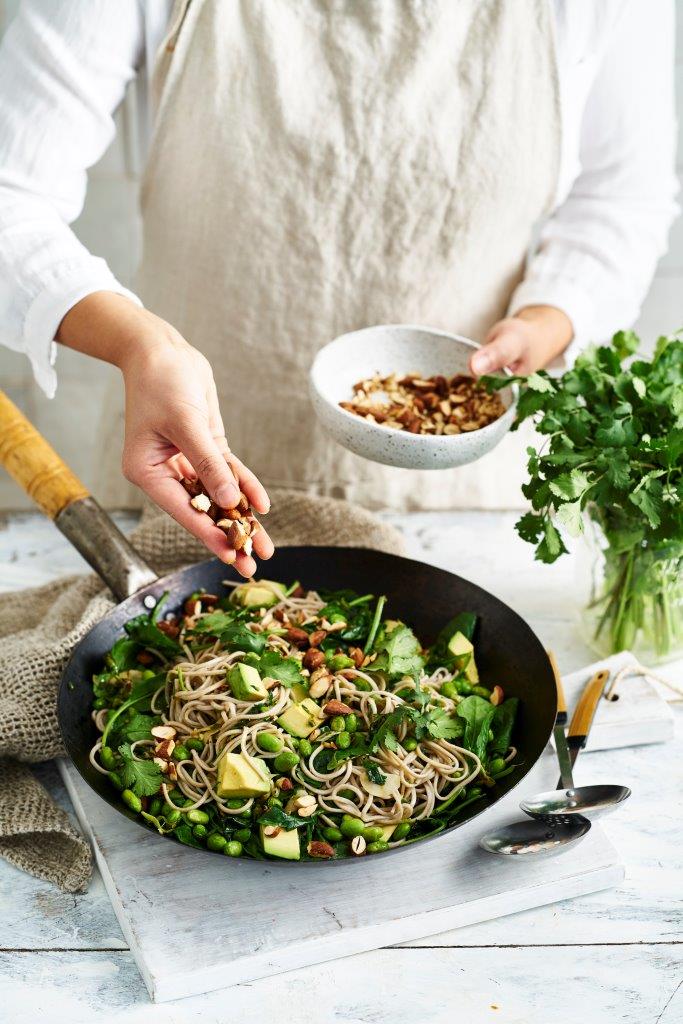 PREP + COOK TIME 30 MINUTES SERVES 4
4 green tea bags
250g (8oz) 100% buckwheat
soba noodles
2 cups (300g) frozen shelled edamame (soybeans), thawed
1 tablespoon sesame oil
2 green onions (scallions), sliced thinly
3 cloves garlic, sliced thinly
1 long green chilli, chopped finely
120g (4oz) baby spinach leaves
1 cup coriander (cilantro) leaves, chopped coarsely
¼ cup (60ml) lime juice
2 medium avocados (500g), chopped coarsely
½ cup (80g) almond kernels, roasted, chopped coarsel
PREP + COOK TIME 30 MINUTES SERVES 4
4 green tea bags
250g (8oz) 100% buckwheat
soba noodles
2 cups (300g) frozen shelled edamame (soybeans), thawed
1 tablespoon sesame oil
2 green onions (scallions), sliced thinly
3 cloves garlic, sliced thinly
1 long green chilli, chopped finely
120g (4oz) baby spinach leaves
1 cup coriander (cilantro) leaves, chopped coarsely
¼ cup (60ml) lime juice
2 medium avocados (500g), chopped coarsely
½ cup (80g) almond kernels, roasted, chopped coarsel
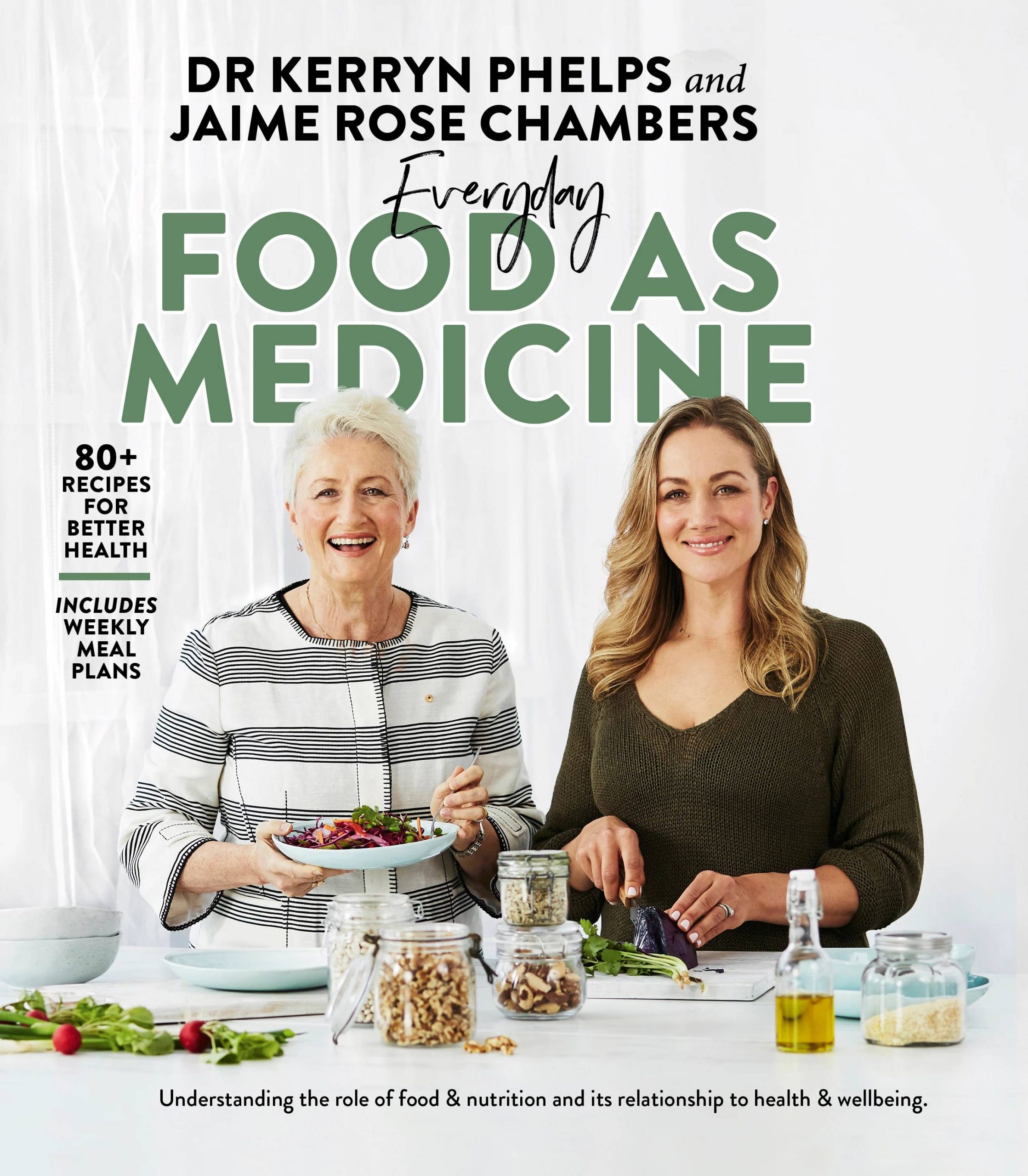
 So what does happiness feel like? Most of us have experienced a number of times when we have felt very happy or joyous. Joy, while very pleasant, like any feeling is impermanent and fleeting. Happiness is often described as a feeling of deep satisfaction, gratitude and vitality. It is not the experience of a momentary emotion, but rather more long lasting.
It is like the memory of a happy vacation… We may recall this as a happy time, with the experience of many pleasant and warm emotions but we may not have been feeling fireworks the whole time (and quite frankly TG! ). You may have even experienced moments such as sadness, anger, frustration, loneliness or anxiety during this ‘happy’ time. Unpleasant experiences do not negate your happiness. In fact, unpleasant emotions are just part and parcel of everyday healthy, happy living. Happiness is about more than just an emotion. It’s the recognition that your life is full of people, activities, pursuits and passions that are meaningful to you.
So what does happiness feel like? Most of us have experienced a number of times when we have felt very happy or joyous. Joy, while very pleasant, like any feeling is impermanent and fleeting. Happiness is often described as a feeling of deep satisfaction, gratitude and vitality. It is not the experience of a momentary emotion, but rather more long lasting.
It is like the memory of a happy vacation… We may recall this as a happy time, with the experience of many pleasant and warm emotions but we may not have been feeling fireworks the whole time (and quite frankly TG! ). You may have even experienced moments such as sadness, anger, frustration, loneliness or anxiety during this ‘happy’ time. Unpleasant experiences do not negate your happiness. In fact, unpleasant emotions are just part and parcel of everyday healthy, happy living. Happiness is about more than just an emotion. It’s the recognition that your life is full of people, activities, pursuits and passions that are meaningful to you.