Category Archives: Uncategorized

Cold exposure is all the rage…but is it beneficial for metabolic health?

Protocols vary but cold plunging (ice bath) commonly involves immersing the body in water as cold as -1 to 4 degrees celsius for 2-3 minutes. Cold therapy (CT) can also include cold showers, cryotherapy, open water swimming and even short walks in cold weather. The goal of cold therapy is to boost energy expenditure and improve metabolic health. Energy is required to produce heat. Mammals are known to produce heat through either skeletal muscle shivering or “non-shivering thermogenesis”. The latter relies on a special type of fat called brown fat, or brown adipose tissue (BAT).

Why take the plunge?

The vast majority of fat in the human body is known as white adipose tissue (WAT). Unlike WAT, brown fat contains a high concentration of iron-rich mitochondria, which, in addition to giving the tissue a brown colour, make BAT far more metabolically active than WAT.

Cold exposure activates brown adipose tissue. The literature explores whether this increase in BAT increases energy expenditure and therefore could help with obesity and insulin sensitivity/metabolic health. Increasing BAT mass and activity may represent a promising new therapeutic target for the treatment of both obesity and insulin resistance.

There is also evidence that ice baths could help reduce Delayed Onset Muscle Soreness (DOMS) after exercise. The greatest benefits appear to occur when treated with CT 24 to 72 hours post exercise. Some studies have shown that cryotherapy decreases inflammation however not all results agree and more data is needed.

Is cold therapy safe?

Whilst generally considered safe to cold plunge in a controlled environment, it is important to warm the body immediately after cold water plunging to avoid a phenomenon known as afterdrop.

Under cold conditions, your body tries to keep the core temperature as warm as possible, at the expense of the peripheral temperature. At some point the colder blood in the periphery is dumped into the warmer core blood. Afterdrop occurs when the core temperature drops from something safe like 35-36 degrees celsius to something unsafe like 33 degrees celsius, which could technically result in a ventricular arrhythmia or abnormal heart rhythm.

Dr Nikki’s anecdotal experience: I do regular cold plunges at home and feel amazing afterwards (but I admit it could be the placebo effect)… Are you keen to take the plunge?

Written by Dr Nikki Fisicaro

References:

  • Effect of Acute Cold Exposure on Energy Metabolism and Activity of Brown Adipose Tissue in Humans: A Systematic Review and Meta-Analysis (Huo et al., 2022)
  • Role of human brown fat in obesity, metabolism and cardiovascular disease: Strategies to turn up the heat (Ruiz et al., 2018)
  • Human Brown Adipose Tissue: What we have learned so far (Betz & Enerbäck, 2015)
  • Temperature-Acclimated Brown Adipose Tissue Modulates Insulin Sensitivity in Humans (Lee et al., 2014)
  • Brown Adipose Tissue Improves Whole-Body Glucose Homeostasis and Insulin Sensitivity in Humans (Chondronikola et al., 2014)
  • Effects of recovery method after exercise on performance, immune changes, and psychological outcomes (Stacey et al., 2010)
  • The effect of recovery strategies on physical performance and cumulative fatigue in competitive basketball (Montgomery et al., 2008)
  • Cold-water immersion (cryotherapy) for preventing and treating muscle soreness after exercise (Bleakley et al., 2012)
  • Cold water immersion and recovery from strenuous exercise: a meta-analysis (Leeder et al., 2011)
  • The efficacy of cryotherapy on recovery following exercise-induced muscle damage (Burgess and Lambert, 2010)
  • Time-course of changes in inflammatory response after whole-body cryotherapy multi exposures following severe exercise (Pournot et al, 2011)
  • Cold exposure and immune function (Shephard & Shek, 1998)
  • The effects of cold water immersion and recovery on molecular factors that regulate growth and remodeling of skeletal muscle after resistance exercise (Peake et al, 2020)
  • https://en.wikipedia.org/wiki/Afterdrop
Fire In The Sky – How To Protect Your Skin

With record heat temperatures breaking across the world and summer fast approaching, many of us are increasingly concerned on how to best protect ourselves and loved ones this season. Summer in Australia is often associated with the beach, holidays, celebrations and fun. However, we too often forget the dangers that come with such long and intense summers, in particular UV radiation exposure.

Australia has the highest rate of skin cancer in the world; with two thirds of Australians being diagnosed with a skin cancer over their lifetime. For this reason, it is extremely important of us to take care of our skin during summer.

General precautions include:

– wearing SPF30 or higher sunscreen (water resistant is best, especially at the beach or pool), ensuring to apply 20 minutes prior to going outside and reapplying every 2 hours

– wearing a broad brim hat and breathable clothing that protects your skin as much as your skin as possible

– sunglasses that meet Australian Standards for UV protection

– stay in shade/under umbrella as much as possible when outdoors

– avoid sun exposure in the middle of the day as this is generally when UV levels are most dangerous

As particular note, babies under 12 months should not be exposed to direct sun when UV levels reach 3 or higher (and use of sunscreen on babies under six months old should be avoided).

Monitoring UV levels is particularly useful to assess your daily risk. A good resource can be found on: cancer.org.au/SunSmartApp.

Children are particularly vulnerable to sunburn (as little as 10 minutes of sun exposure) and heatstroke, and so extra precautions should be taken.

If your child does get sunburnt, ensure they are adequately hydrated by encouraging them to drink water. You can also use cool compresses on the skin and simple pain relief such as paracetamol can assist. Any signs of severe sunburn such as blisters, swollen skin or severe pain should be reviewed by a GP as soon as possible.

Extended duration in the sun can also cause heatstroke in child or vulnerable people in the community. Signs and symptoms include fever, headaches or nausea and vomiting. If any of these symptoms occur after time in the sun, present to your GP immediately (or your local emergency department if outside practice hours).

Having regular skin checks is also an extremely important screening tool to help detect and treat any irregular skin lesions early that may be cancerous. Talk to your local GP for more information to assess your individual risk of skin cancer and form a personalised plan to protect yourself and your family this summer.

References:

Kids Health Information : Safety: Sun protection (rch.org.au)

National Skin Cancer Action Week | Combatting Australia’s ‘national cancer’ | Cancer Council

Smoke On The Horizon – How To Protect Your Lungs

With La Niña’s reign over the last 3 years coming to end, Australia will once again face the fierce nature of bushfires. Not only can the fires themselves put lives at risk, but many people in the community can be vulnerable to the dangers of smoke inhalation. This includes people with lung conditions such as asthma and chronic obstructive pulmonary disease (COPD), those with hay fever, people with heart conditions such as angina and ischaemic heart disease (IHD), people over 65 years of age, children 14 years and younger, pregnant women, people with diabetes and people with active respiratory infections including COVID-19.

Some general measures to take during bushfire season include:

– keeping your home window and doors closed, especially with active fires nearby

– utilize air conditioners with recycled air setting activated

– air purifiers inside the home

– monitor air quality everyday to assess your risks of outdoor activities/pollutant exposure; a good resource for this is Air Pollution in Australia: Real-time Air Quality Index Visual Map (aqicn.org)

– constantly check in and monitor on health of children, elderly people and others at risk

It is highly recommended that you see your GP for an individualised management plan to optimise your protection this bush fire season, especially if you are at risk. This can facilitate many important interventions such as an updated Asthma/Wheeze Management Plan, medication optimization, ensuring adequate supply of relievers/preventors on hand, discussing preventative strategies, and consolidating an escalation plan for emergency situations.

References: Fact-sheet-Bushfire smoke – vulnerable people (health.gov.au)

Exploring IUD’s

IUD FAQs.

The information below is based on my experience and recommendations as a GP practicing in women’s health for nearly a decade. I am not endorsed by any particular device or brand. Please consider all of the advice below and select the device which is best suited for your needs.

What is the best contraceptive option?

consider the Hormonal IUD (Mirena or the Kyleena) as the most reliable and convenient contraceptive option for women both before and after having children. The IUD is a long active reversible contraceptive (LARC) which are the contraceptive type recommended by many peak health bodies including the RACGP as first line contraception for women as they are safe, effective and reversible. (https://www.racgp.org.au/afp/2017/october/larcs-as-first-line-contraception)

Compared with the oral contraceptive pill, the IUD is set and forget method that lasts up to 5 years. And because they are inserted directly where they are needed to work (in the uterus), they have the least side effects in terms of mood, weight and skin changes compared with the other hormonal contraceptive options.

One particular benefit of hormonal IUDs in addition to contraception are that they also often make periods lighter and less crampy. The Mirena IUD is considered first line management for women with troublesome heavy or painful periods due to conditions such as endometriosis.

What do you think of the Copper IUD?

The copper IUD is also a very reliable form of contraception, but as it increases menstrual blood loss and period cramping in most women. I usually recommend the hormonal IUDs first.

Do IUD’s have a negative impact on your fertility?

IUDs have been used for over 30 years and have not shown to have a negative impact on fertility. (reference link: https://contraceptionmedicine.biomedcentral.com/articles/10.1186/s40834-018-0064-y )

Why haven’t I heard of the IUD before?

Traditionally IUDs have only been inserted by specialists and thus less commonly known about. Thankfully access has improved now that specialist GPs are upskilling in insertion. We are still trying to improve public education around this contraceptive option. The fact that there is a small procedure involved in getting the device also serves as a bit of a barrier. Thankfully due to the increasing number of women looking for alternative contraception to the oral contraceptive pill, it has become a lot more popular in the last decade.

I haven’t had children, is the IUD still suitable for me?

Yes yes yes! There is a frequent misconception that IUDs are more suitable for women post birth, but that is simply not true. https://societyfp.org/wp-content/uploads/2021/06/PIIS0010782416303857.pdf

What is the procedure like?

For most women, insertion is a short 10-15 minute procedure, but insertion appointments are made for 30-45 minutes to allow for discussion, set up and recovery time. It can be crampy during the procedure and also for 1-2 days after. We advise women to take oral analgesia such as Panadol and Nurofen 1 hour prior to the procedure, and we can discuss further analgesic options that we offer at the clinic at your booking appointment. 

What is the best time to do the IUD insertion?

If possible, IUD insertions should be timed for during your period.

How do I arrange getting an IUD device?

While IUDs are suitable for most women, it is still crucial to have a consultation to discuss your personal medical history and your individual benefits and risks of choosing the IUD as contraception. We often also arrange tests prior to doing the insertion, such as an STI screen and cervical screening test (if due). We usually advise a 15-30 minute planning consultation to answer any questions about the insertion and after care as well as arrange any investigations that may be required beforehand. 

How do I obtain more information about IUD insertion?

You can request general information about the procedure and costs involved before booking in for your initial consultation by discussing with our reception.

Turning 50? Gift yourself these health checks

Turning 50 is one of life’s major milestones. You’ve reached the half-century mark and are closer to retirement, while still in the prime of your life. But with age being a risk factor for many diseases, it’s also beneficial to celebrate this birthday as a guidepost to preserving your health.

“One thing I’ve found working with patients who are older is that the ones who have the best outcomes are those who took control of their health at a younger age,” explains Dr Jason Juggapah of Sydney’s Bourke Street Clinic.

“Like with a car or any kind of machine, parts eventually wear out. Our bodies are the same. Cells don’t replicate with the same accuracy they did when we were younger.

“By having regular checks you’re more likely to spot these things when they start to go wrong, meaning interventions can be made earlier to prevent any further damage or reduce the likelihood that issues could progress.”

Here are the important health checks that every 50 year old should consider.

Cancer screenings

The risk of certain cancers increases as we age. Thankfully in Australia, there are Commonwealth-funded screening programs that make these check-ups accessible.

“For 50 and beyond, the main cancers you want to screen for are breast, cervical, bowel and prostate,” says Dr Juggapah. “The bowel screening is the biggest, and as part of your 50th birthday present the government sends you a bowel screening kit.”

Dr Juggapah ensures every one of his patients complete the screening, as it is effective in detecting colon and bowel cancers at an earlier stage, therefore enabling better treatment options.

Dietitian’s tips to managing our health through COVID-19

As if COVID-19 wasn’t a challenge enough for so many of us with job losses, financial strain, home-schooling kids and keeping little ones entertained, then as time went on an interesting bonus challenge emerged, popularly referred to as ‘COVID kilos.’ These are the pesky kilos associated with being in lockdown most often due to cancelled gym membership, endless trips to the fridge and cupboards whilst stuck at home and every day is a potential alcohol day.

I’ve seen this phenomenon really get many people down and impact their mood, which often only makes it harder to shift back to healthy habits. In more severe cases, I’ve also seen patients’ cholesterol and blood pressure rise to the point where they need to begin medication, as well as a spike in blood sugar levels, leading to a diagnosis of type 2 diabetes.

It seems that many people were expecting the life changes that came with COVID-19 to last only a short time but now six months later, our lives are different and this may be the case for some time to come. With this needs to be a change in the way we function and the way we care for ourselves, so here are a few tips that can really help to manage our health and our weight during COVID-19:

  1. Eating habits
  • Grazing all day – this is common if you’re used to being in the office and now working from or being home more often as there is no schedule or routine, so I’d encourage creating one. Set up meal times and snack breaks throughout the day and don’t eat outside of those times.
  • More junk food – if this is because you have greater access to it because it’s at home and so are you, I’d encourage you to simply keep it out of the house and get some more nutritious alternatives to take its place. Think bliss balls, fruit, wholegrain crackers and yoghurt. Then if you really feel like that choccy bar or packet of chips, get just the one and enjoy it!
  • Emotional eating – There are many ways to manage emotions and using food is a really common one. It’s ok to do this – but it can become problematic if it’s the only coping mechanism and it’s used often. Identifying exactly what it is that you’re feeling and matching it with the right response can help, for example, if you’re bored, have a list of things you want to do or get done around the house and tick one of those off before heading to the fridge.
  • Difficulty accessing healthy food – this is a really tricky one but there are few things that are for sure, buying food and preparing it from home is always going to be more cost-effective and more likely a healthier option than take away as you have more control over the ingredients you use
  1. Less activity

Trial other activities – If you were once a gym-goer and cancelled your membership, perhaps you’re a bit nervous to get back into the gym, which is completely understandable, it might be worth trialling some other activities.

  • Get outside – Nothing could be better for the soul than being out in the fresh air getting a little safe sun exposure (hello vitamin D) so heading out for a walk or run, doing your own or a small group exercise session is a great way to stick to your workout routine. Many people are feeling lonely and isolated through this time too so meet a friend and get outside for a walk or a workout, with some safe social distancing of course.
  • Take it indoors – there are now a plethora of home workouts available which have had a surge of popularity since the start of COVID-19. A search on Youtube will provide with you a huge variety of workouts to follow – from yoga to pilates, HIIT sessions to resistance training. There are also fitness apps available for download and most gyms, fitness centres and personal trainers have all taken it online now as well. It’s a new way of exercising for many people so it’s worth doing a little research and looking around at what’s now available and what might suit you. The beauty is there are workouts available that can be done on the spot with no equipment if you don’t have any, to workouts that use more space and some equipment if you do.

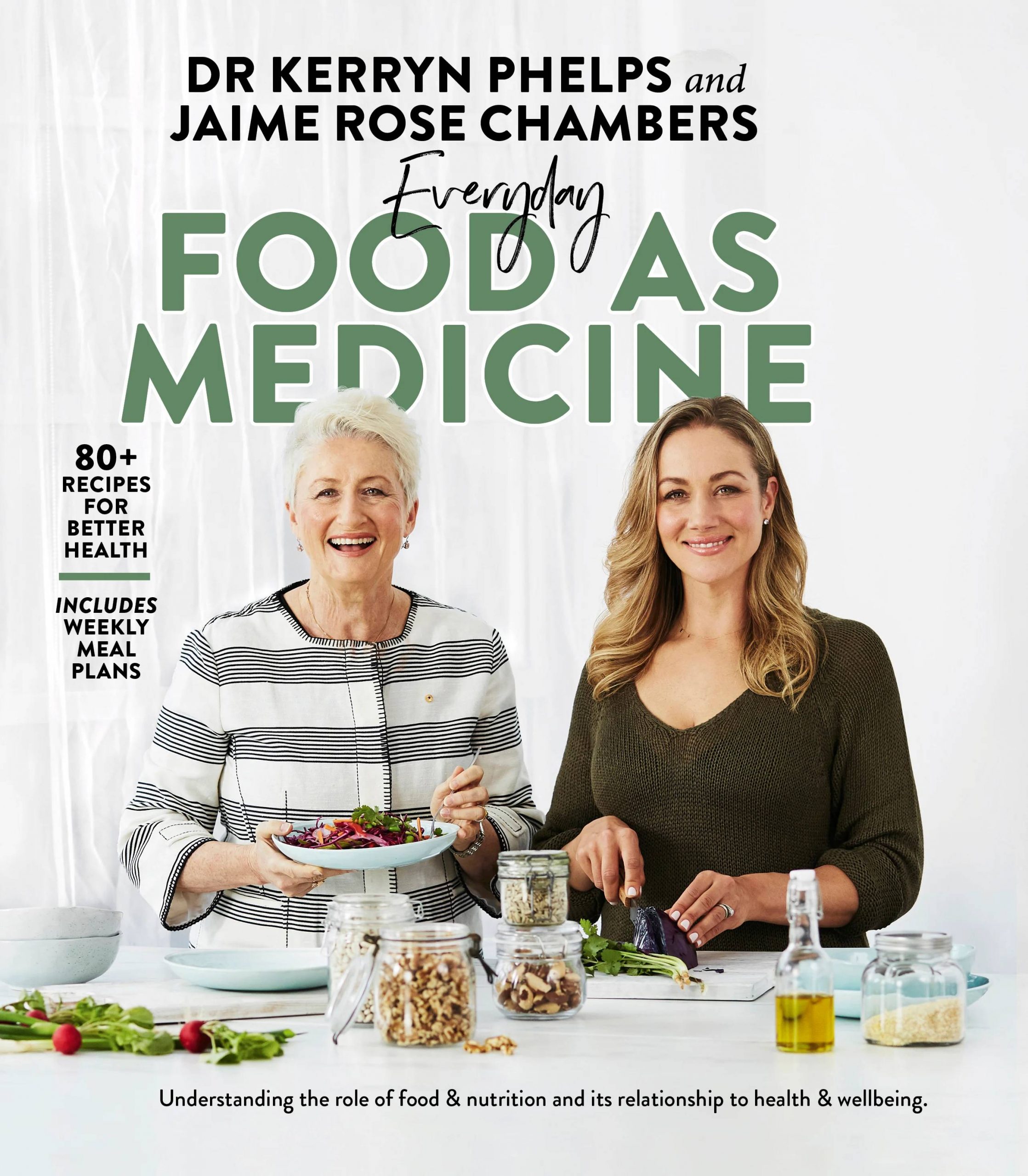
To help you get started, here is a receipt from my book Everyday Food As Medicine:

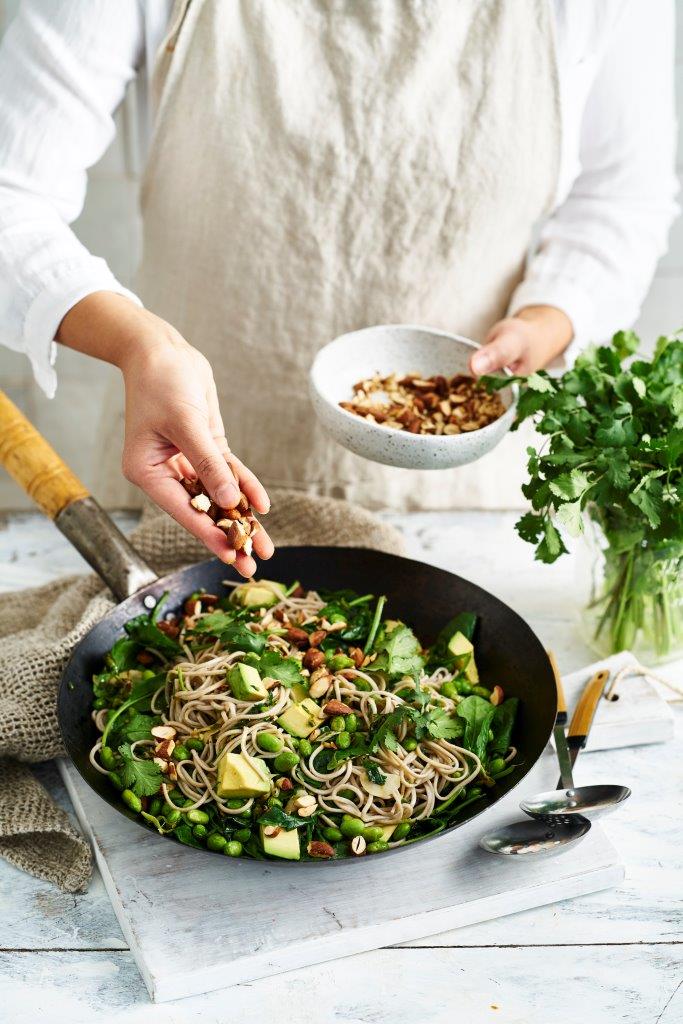
EDAMAME, AVOCADO & SPINACH SOBA NOODLES

EVERDAY FOOD AS MEDICINE.JPG

PREP + COOK TIME 30 MINUTES  SERVES 4

4 green tea bags
250g (8oz) 100% buckwheat
soba noodles
2 cups (300g) frozen shelled edamame (soybeans), thawed
1 tablespoon sesame oil
2 green onions (scallions), sliced thinly
3 cloves garlic, sliced thinly
1 long green chilli, chopped finely
120g (4oz) baby spinach leaves
1 cup coriander (cilantro) leaves, chopped coarsely
¼ cup (60ml) lime juice
2 medium avocados (500g), chopped coarsely
½ cup (80g) almond kernels, roasted, chopped coarsel

  1. Bring 3 litres (12 cups) water to the boil in a large saucepan. Turn off the heat. Add tea bags; steep for 10 minutes. Discard tea bags.
  2. Fill a large bowl with cold water. Return tea water to the boil; add soba noodles, then cook for 5 minutes or until tender. Drain, reserving ½ cup (125ml) cooking liquid. Working quickly, refresh noodles in the cold water; drain. Cover until ready to serve.
  3. Pat thawed edamame dry with paper towel. Heat oil in a wok or large frying pan over high heat. Add green onion, garlic and chilli; cook, stirring frequently, for 1 minute or until fragrant. Add edamame; cook, stirring occasionally, for 2 minutes or until edamame are blistered slightly.
  4. Add noodles to wok with spinach, half the coriander, the lime juice and reserved cooking liquid; cook, tossing continuously, for 2 minutes or until well combined and spinach has wilted.
  5. Serve topped with avocado, remaining coriander and the almonds. tips  Make sure you buy unsalted edamame as they are better for heart health. Seed the chilli if you prefer less heat. swap  You can use peas instead of the edamame, if you like.

THE Doctor SAYS

Buckwheat soba noodles are often more nutritious than noodles made with other refined flours. Buckwheat is also better for heart health and blood sugar control.

THE dietitian says

Edamame (soybeans) have heart-health benefits because they are a great plant-based replacement for a meat meal, which is high in saturated fats.

Roasting the almond kernels brings out their flavour

EVERDAY FOOD AS MEDICINE.JPG

Acupuncture role in fertility & Pregnancy

Acupuncture is a safe and gentle way to assist women in fertility and pregnancy planning. Just like preparing the soil to plant a tree you want to prepare your internal environment to grow a life.

Acupuncture and Traditional Chinese Medicine (TCM) suggests that you start fertility preparation three months prior to conception. I recommend starting the woman’s treatments three months prior to conception; once a fortnight which includes Acupuncture, Chinese Herbs, dietary and lifestyle guidance as needed.

Research has shown that TCM (Acupuncture and Traditional Chinese Medicine) can significantly improve the woman’s eggs quality and improve the thickness of the uterine lining by increasing the blood flow to the reproductive organs.

Acupuncture can also improve digestion, strengthen the immune system and calm anxiety, which are all important factors for improving a woman’s Fertility and maintain a healthy pregnancy.

What Acupuncture and TCM can help with?

  • Irregular Menses, unexplained infertility, sub fertility, PCOS and fibroids.
  • In early pregnancy-nausea, fatigue and miscarriage prevention.
  • Second stages of pregnancy- hemorrhoids, constipation, reflux, heartburn, insomnia, fatigue and exhaustion, anxiety, depression and small for dates.
  • Third stage- back and neck pain, sciatica, pubic symphysis pain, rib pain, irritability, carpal tunnel syndrome and oedema.
  • Breach babies -optimal at weeks 34-36.
  • Pre Labor assistance at home – Partner instruction for acupressure.
  • Labor preparation – weekly from week 36.
  • Labor induction – Week 40 and 41 (Acupuncture can reduce the need for medical induction and the use of epidurals or caesarean sections).
  • Post Labor- Recovery, absence of lactation and mastitis due to blocked mild ducts.

Despite the male reproductive systems being less complex than a women’s, the World Health Organisation recognises infertility as 50% male and 50% female factors. Acupuncture has been shown to have a positive effect on sperm morphology (shape of the sperm), motility (ability to swim) and sperm count. TCM will also improve the overall health and vitality of a man.

10 Breakfast Mistakes That Might Cause Weight Gain

Breakfast is indeed the most important meal of the day, but simply making sure you eat isn’t enough. What you eat and how much is just as important. Here are few brekkie mistakes many people make that might cause weight gain or derail a healthy lifestyle:

  1. Skipping the carbs – with grand intentions, many healthy eaters start their day with a protein-based breakfast of eggs, veges and avocado. Fantastic! But it’s missing a super important component: carbohydrates. Skipping the wholegrain toast means there’s no rise in blood sugar levels after a night of ‘fasting’ and no kick-start the metabolism, which means you’re in danger of being extra hungry later in the day and making up for it then.
  2. Overdoing the superfoods – smoothies and blended juices are a great vehicle for a super nutrient-dense meal but overdo it with some ingredients and you’ll end up getting your day’s worth of calories in that one meal. Think coconut oil, coconut milk, chia seeds, flaxseeds, banana, protein powders, cacao, apple, oats, nuts, seeds, almond butter etc etc…
  3. Right food, wrong portion – oats are a gold standard breakfast food but they are also incredibly energy dense and overdoing it is really easy. Free-pouring a bowl of muesli or cooking up some porridge can easily lead to two to six times the recommended portion size and a huge hit of carbohydrates to start your day. This is often the reason we feel SO satisfied from this breakfast we can sail right through to a late lunch without feeling hungry.
  4. Too light on the fibre – Fibre swells in our tummy and fills us up. Starting your day with a breakfast that is light on fibre means that we’re at risk of being hungry not long afterwards. It may also mean breakfast choices are processed grains such as white breads and sugary cereals that are low in fibre.
  5. Coffee calories – for most people, there’s no harm in having a good coffee with breakfast but it’s not the caffeine that’s the problem, it’s the calories, fat and sugar that come along with the type of coffee you order. Large size, full fat milk, soy milk, coconut milk and added syrups, flavourings and sugar all add up. For example a large soy vanilla latte will give you the equivalent of 9 teaspoons of sugar and 330 calories, the number of calories you should have for breakfast alone.
  6. Eating because you think you have to – many busy people scoff a quick brekkie racing out the door to work when they’re not actually hungry yet. This super early meal lengthens your eating day and means you need to eat again sooner. By just waiting an hour or so until you’re settled in at work give you a little more time to put together a healthy meal, eating slowly and thoughtfully is better for digestion and when you’re actually hungry so it’s often far more satisfying.
  7.  Breakfast’ products – think breakfast biscuits, breakfast bars and breakfast drinks. These highly processed, minimally nutritious products often have a very long list of ingredients that include refined sugar and white flour causing a dramatic spike in blood sugar levels followed by the crash shortly after, making us feel tired – and it’s not even lunchtime yet.
  8. Snack for breakfast – sometimes all we have the chance to get down is a banana or yoghurt for breakfast as we run into a meeting or drop the kids to school. Although this is not unhealthy, it’s simply not enough. Having a snack for breakfast is likely to throw out your eating routine for the day and by 10-11am you’re starving.
  9. Drinking your breakfast – Smoothies, protein shakes and juices are very popular as an on-the-run breakfast option. They range in nutritional quality but the biggest issue with a liquid breakfast is that it’s often not terribly satisfying. The act of chewing is important for many people to feel satisfaction from a meal. Without that satisfaction from breakfast, we’re left with a void that needs to be filled. This may make you more vulnerable to more ‘satisfying’ foods later in the day.
  10. Skipping breakfast altogether – skipping breakfast is often due to a lack of time, lack of appetite or based on recent media reports that fasting until lunchtime may be beneficial for weight loss. There is no cookie-cutter way of eating for anyone but in my experience, a lack of appetite in the morning is usually because too much has been eaten the night before. Fasting until lunchtime isn’t for everyone and the downside is that if you’re starving by lunchtime this can make us susceptible to overeating and making less healthy food choices.

Sleep. The final frontier.

Like many things we take for granted in life you don’t miss it until it is gone. And like many things we take for granted, once it is gone it is all you think about. All too soon you dread going to sleep. The nights have never seemed so long and the days seem endless both for you and those close to you who have to listen to you talking about your insomnia. While you could fall asleep at work in a heartbeat, it becomes the last thing your brain will let you do at night.

The reasons why people lose the ability to sleep are many and varied. The statement we hear most commonly is that nothing has changed. In reality insomnia usually results from an accumulation of reasons although a crisis can certainly precipitate insomnia.

The solutions are equally many and varied. A short course of sleeping pills does help some people but if continued for too long they wear off and become addictive.  There are a variety of natural supplements, some available only on prescription and some not, that may help in the short to medium turn.

Sleep hygiene is a detailed analysis of all the things you do before bed that affect your sleep. Blue light suppresses Melatonin production. Too much adrenaline before bed such as exercise, or the latest 11pm instalment of your favourite series can make it hard to switch off. There are professionals who can help.

Sleep medicine is a specialty whereby a GP refers you to a doctor experienced in sleep medicine who takes a detailed history and works out a sleep diagnosis. Sometimes the sleep specialist needs to admit you to hospital for a sleep test whereby you are wired up and analysed while you are sleep. There is also a home version of this test which can be referred by a GP.

5 Things You Can Do To Get Happier TODAY

Many happiness researchers  have discovered that about 60% of your happiness comes from things that are within your control. The other 40%… well… that is influenced by genetic/personality and contextual factors – neither of which you or I can do much about. But here’s some tips to give you some control over the stuff you can do something about!!


1. Define your own version of happiness

Happiness is about what you WANT  – NOT what you don’t want! Stop allowing yourself to think of happiness as the absence of something! Happiness is not “less stress” or “no money problems”. Less stress is simply, less stress. It doesn’t magically become happiness.

Spend some time really thinking of what happiness would look like if you could see yourself happy. What are you spending time on and with whom? How do you act when you are happy? What does your facial expression look like? What does your tone of voice sound like? Imagine a week in the life of this happy version of you. How do you spend your free time? What activities do you participate in? Who do you spend most of your time with? This exercise can be very helpful in clarifying what is most meaningful to you. It should provide you with a list of activities, relationships and behaviours that you can start engaging in RIGHT NOW.

“You cannot always influence what you experience from the outside but you are always able to influence how the outside world experiences you.”


2. Be realistic and flexible – don’t expect it to feel like fireworks

fireworks

So what does happiness feel like? Most of us  have experienced a number of times when we have felt very happy or joyous. Joy, while very pleasant, like any feeling is impermanent and fleeting. Happiness is often described as a feeling of deep satisfaction, gratitude and vitality. It is not the experience of a momentary emotion, but rather more long lasting.

It is like the memory of a happy vacation… We may recall this as a happy time, with the experience of many pleasant and warm emotions but we may not have been feeling fireworks the whole time (and quite frankly TG! ). You may have even experienced moments such as sadness, anger, frustration, loneliness or anxiety during this ‘happy’ time. Unpleasant experiences do not negate your happiness. In fact, unpleasant emotions are just part and parcel of everyday healthy, happy living. Happiness is about more than just an emotion. It’s the recognition that your life is full of people, activities, pursuits and passions that are meaningful to you.

“Put simply, happiness comes from being proud about the way you live, who you are and what you stand for – and that path ain’t always easy or joyful!”

3. Schedule 2 – 4 things each week that bring you happiness

So now that you’ve defined what happiness is for you, and you know not to expect it to feel joyous and exciting the whole time, you should go ahead and commit to engage in at least 2-4 more activities that are meaningful for you each week.

Be realistic, plan well and ahead of time, alert others and muster all the grit you have to just get out there and start making small additions that may have big payoffs in the long run. It may mean that yo may have to forego a loved activity (such as watching the latest G.O.T episode) to get to that sports game or wake up earlier to get the dinner cooked before you leave for work in the morning so that you can go for a sunset walk on the beach in the evening. This may sound too tough to do, but think of it like this – how happy does not going for a walk at sunset make you? What motivates me to get up 1 hour early to exercise or cook is this – no one lies on their death bed reminiscing about how great that extra hour of sleep felt, or how awesome it was to watch TV at night.

“Rest and relaxation are not the same thing. You’ll recharge your batteries and feel relaxed more by engaging in a meaningful activity than by resting.”


4. Take in the good – create lasting impressions of happiness

In Hardwiring happinessRick Hanson, Ph.D. Clinical Neuropsychologist and Mindfulness expert, has written an amazing and well-researched handbook on using the new science of neuroplasticity to improve your brain’ s capacity to experience happiness. The technique, which he breaks down into simple steps, involves learning to recognise when you are experiencing a happy moment, to pause and to really experience this feeling and moment in it’s entirety. Most of your feelings will manifest between your neck and lower abdomen so really focus your attention on these regions. Notice in detail how happiness feels in your body. Take deep breaths and allow yourself to just notice this experience. Now that you have had this in depth experience of happiness, make a point of trying to recall that experience throughout your week. Work hard to recall the sensations of happiness in your body. You may soon find yourself smiling!


5. Take care of your business!

Let’s revisit the first point for a second. Recall that our definition of happiness was important in defining the person we need to work on being. While most of us don’t want to be cleaners, bankers, clerical administrators, grocery shoppers, personal assistants etc etc, being able to engage in these roles is necessary to maintain stability, order and calm. Constantly putting off activities that on the surface do not seem meaningful to you only ends up creating chaos, overwhelm and may just end up stopping you from being able to reliably engage in meaningful activities. Whether it’s activities at work you are always putting off, or always forgetting to do your internet banking, never getting on top of your housework, laundry or other necessary activities is the number one cause of ongoing underlying stress and usually the ‘straw’ that breaks the proverbial back.  Taking care of your business is meaningful – it’s about who you are as a person. Being consistent and organised with your housework (doing a little every day) allows you and your family to enjoy the comfort of a neat and organised home (whom ever walked into a beautiful hotel suite and thought the neatness and niceness was stressful – no. one. ever!). While cleaning may not be meaningful, giving yourself the gift of a comfortable and relaxing space is. Setting aside an hour a week to do your banking, plan your week, schedule your housework and get to all of your clerical duties gives you a sense of responsibility and allows you to take more control of your life.  Not many are truly happy when the bills are unpaid and the house is chaotic. Similarly, putting off activities at work that make you nervous or you dislike may only exacerbate how negative you feel about that activity because it is still on your plate. Getting on top of these things finally removes them off your plate, giving you a sense of relief, freedom, achievement and pride in your self. These experiences are worth having, and worth having regularly. If you truly want to be self-compassionate, give yourself the gift of ease tomorrow by getting into the hard work today!

“Self-indulgence and happiness are not the same thing. Don’t let your self-indulgence rob you of true self-compassion.”

try and commit to these 5 steps for the next month  and let me know how you feel!